Optometry
There is no mystery about the importance of eye health. However, not feeling anything in your eyes does not necessarily mean that everything is fine. According to the National Eye Institute, many eye diseases don’t have warning signs. Let us help you prevent issues or address them as soon as possible.
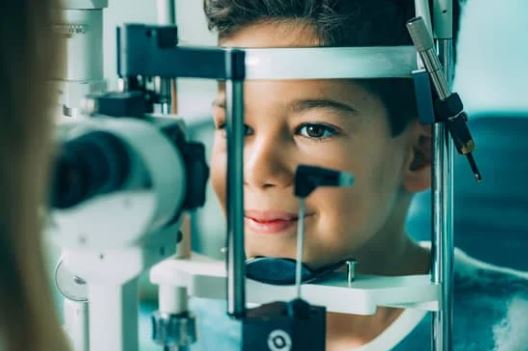
At DePaul Community Health Centers’ (DCHC), we offer examination of the eyes at our Carrollton and Algiers locations, as well as in-house primary and pediatric optical lab services. You also have access to discounted eyeglasses and contact lenses.
Our optometry department detects, manages and treats the following eye problems, along with providing annual eye visits:
-
Nearsightedness
-
Farsightedness
-
Astigmatism
-
Digital Eye Strain
-
Eye Infections
-
Eye Allergies
-
Corneal Abrasion
-
Dry Eyes
-
Glaucoma
-
Cataracts
-
Diabetic Eye Disease
-
Dry Eye Syndrome
-
Red Eyes
-
Eye Injuries
-
Keratoconus
-
Retinal problems
Did you know?
-
The number of people with visual impairment or blindness in the United States is expected to double to more than 8 million by 2050.
-
Over half of Americans have difficulty seeing due to correctable refractive errors such as myopia (nearsightedness), hyperopia (farsightedness), or presbyopia (difficulty reading after age 40) that can be fixed with glasses, contacts or surgery.
-
It is projected that the number of people with legal blindness will increase by 21% each decade to 2 million by 2050.
-
By 2050, 2.15 million non-Hispanic white women are expected to be visually impaired and 610,000 will be blind.
-
African Americans currently account for the second highest proportion of visual impairment, but that is expected to shift to Hispanics around 2040, as the Hispanic population—and particularly the number of older Hispanics—continues to grow. Hispanics have particularly high rates of diabetes, which is associated with diabetic eye disease, a treatable cause of visual impairment.
Source: National Eye Institute
The DePaul Blog: Your Health, Explained
What Is Glaucoma?
Glaucoma is an eye disease that damages the optic nerve, which is responsible for sending visual information from the eye to the brain. This damage is most often caused by increased pressure inside the eye, known as intraocular pressure.There are several types of glaucoma, with open-angle glaucoma being the most common. While anyone can develop glaucoma, individuals at higher risk include those who:
- Are over age 60
- Have a family history of glaucoma
- Are African American, Hispanic, or Asian
- Have diabetes or high blood pressure
- Have experienced eye injuries or long-term steroid use
How DePaul Community Health Centers Can Help
DePaul Community Health Centers’ optometry services play a vital role in the early detection and management of glaucoma. Our eye care providers offer comprehensive eye exams that include glaucoma screenings such as eye pressure measurements and optic nerve evaluations.If glaucoma is detected or suspected, our optometry team works closely with patients to:
- Monitor eye pressure and disease progression
- Provide or coordinate appropriate treatment and referrals
- Educate patients on managing glaucoma long-term
- Support medication adherence and follow-up care
Preventive Steps to Protect Your Eye Health
While glaucoma cannot always be prevented, there are steps you can take to reduce your risk and protect your vision:- Schedule regular eye exams
- Share any family history of glaucoma with your eye care provider.
- Manage chronic conditions like diabetes and high blood pressure can impact eye health
- Use medications as prescribed
- Wear protective eyewear during activities that pose a risk of eye injury.
Your vision matters today and for years to come.